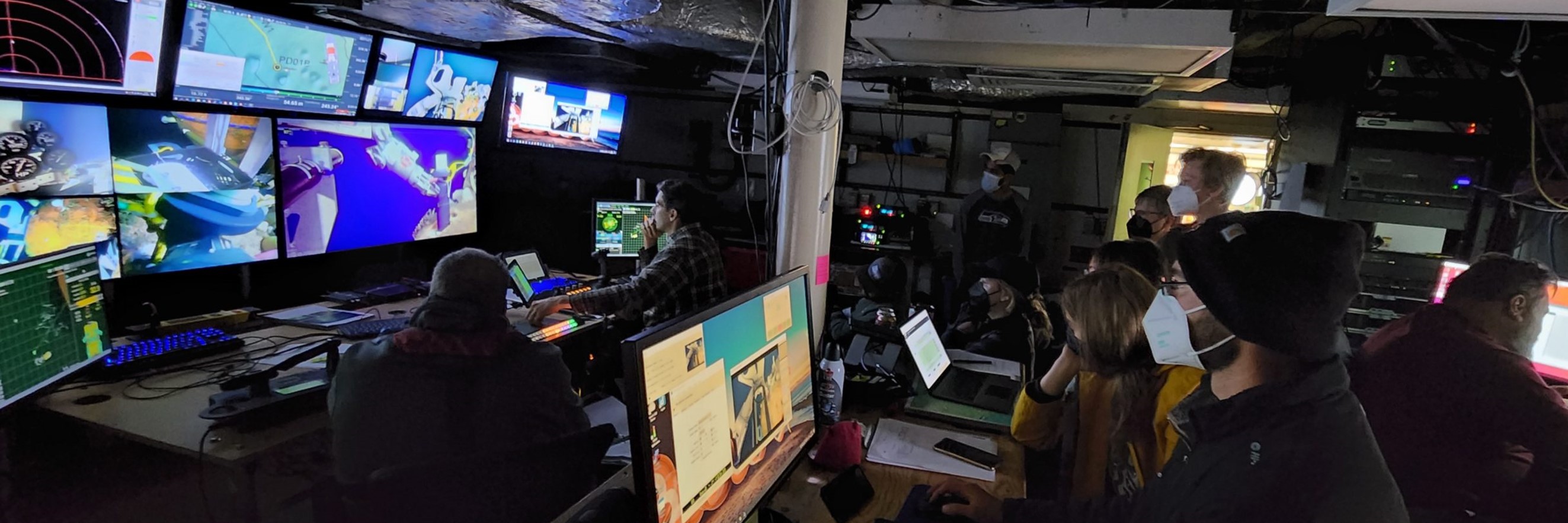
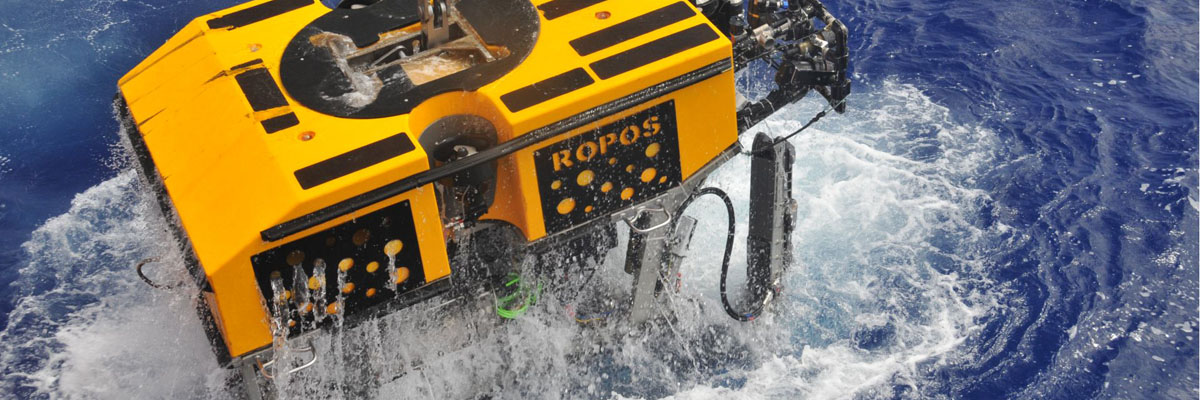
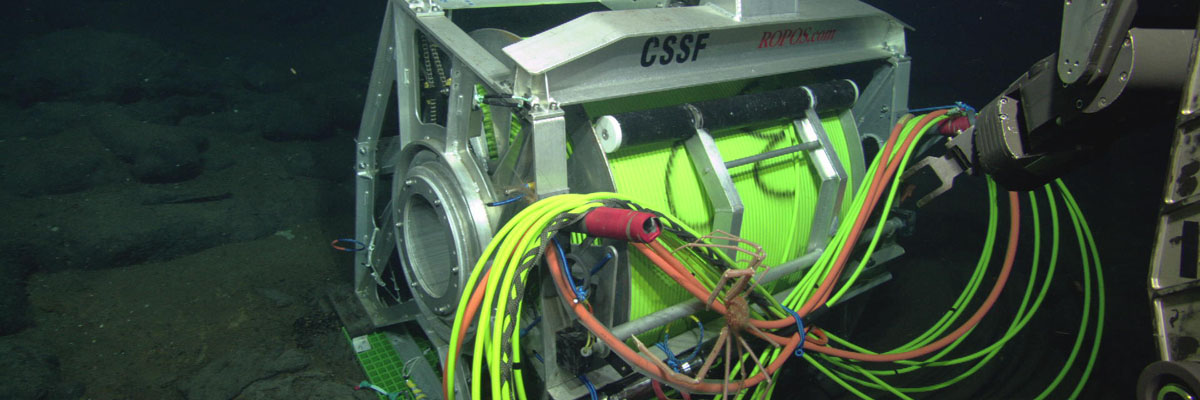
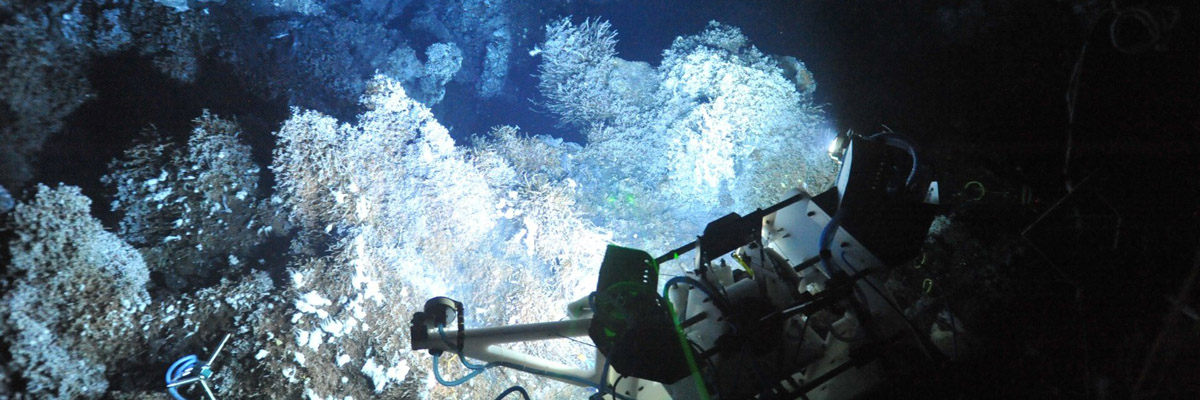
Our 2010 operational has officially started with a 6 day expedition onboard the CCGS John P. Tully to support the VENUS observatory. While we commonly operate from the John P. Tully this was our first time with our mid-depth system on the starboard boat deck. This configuration frees the valuable space on the aft deck for observatory platform recovery, maintenance and deployment.
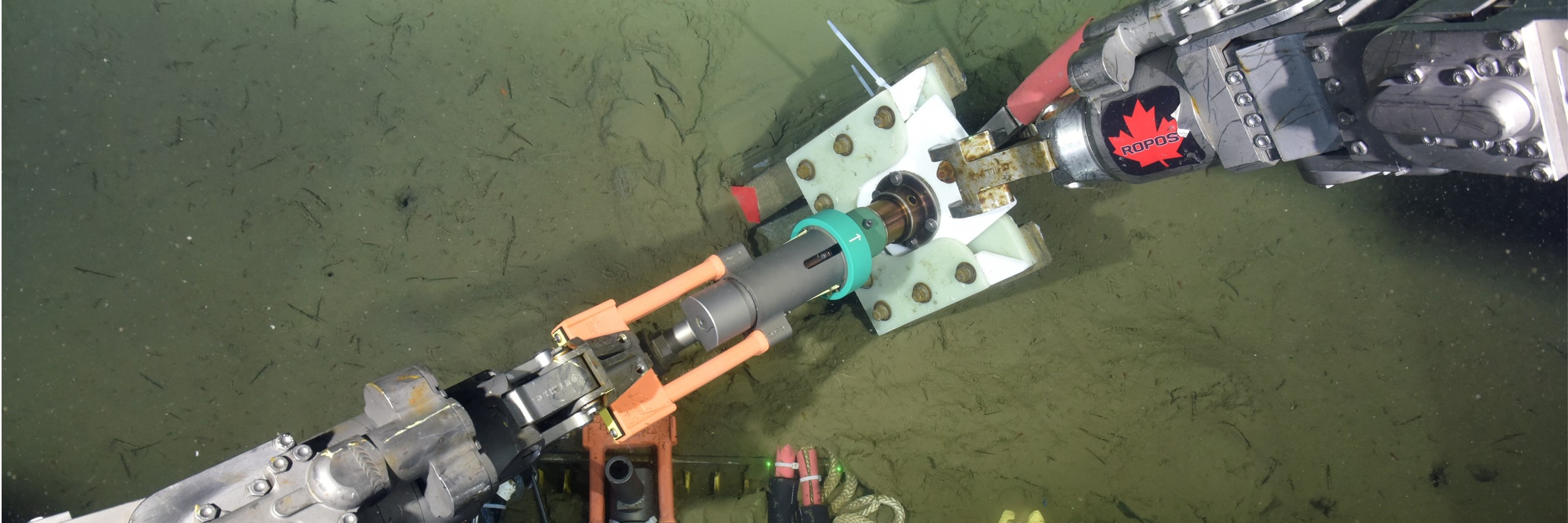
The VENUS group had an ambitious expedition plan for a relatively short expedition spanning 5 operational days, with the LARS system onboard and the ROPOS through-frame lift capability, we completed 12 dives (over 60 hours in the water), 6 platform recoveries, 5 platform deployments, as well as the deployment of a 6 km extension cable using ROCLS.
To find out more about the VENUS observatory, please visit venus.uvic.ca.


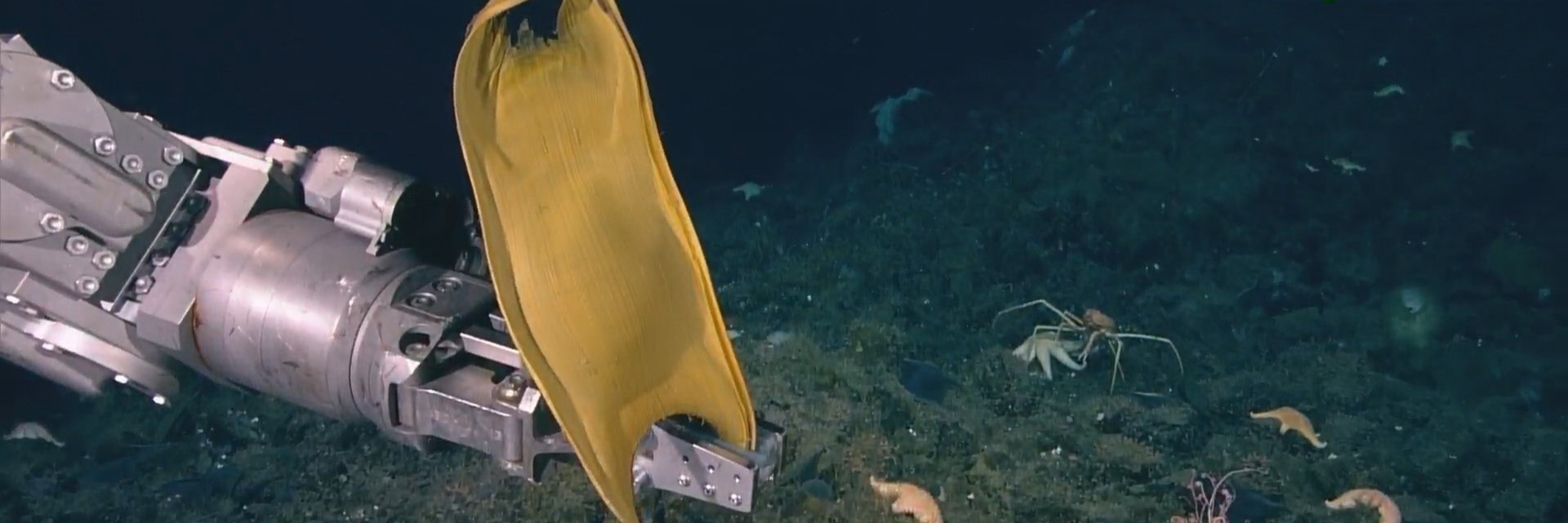
Canada’s national facility for deep-sea research, the remotely operated vehicle (ROV) ROPOS, has made it possible for ocean scientists to conduct research on the ecology of hydrothermal vents, sponge reefs and cold-water corals, and the geochemistry and economic potential of sulphide mineral and gas hydrate deposits, and to begin pioneering work on cabled deep-sea observatories. The Canadian Scientific Submersible Facility (CSSF) and university partners have operated ROPOS since 1996.
The Canadian Scientific Submersible Facility is a nationally registered not-for-profit corporation. Established to manage and operate the ROPOS system once the Department of Fisheries and Oceans could no longer fund underwater research vehicles, the CSSF successfully transferred the ROPOS operation from government to the private sector.